Source Electric Paper Box Forming Machine for Food, Beverage, Hardware
Find 30 electric paper box forming machines from verified suppliers. Compare specifications like speed, automation, and paper thickness for food, beverage, and hardware packaging needs.
Key considerations
Products List


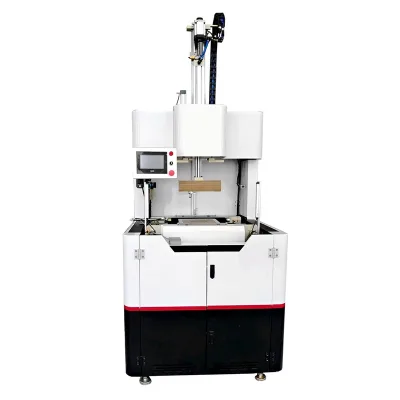
Auto Rigid Paper Box Forming Machine Easy Operation for Various Size Gift Box Making
$13000.00 - $13500.00
MOQ: 1 set


Corrugated Paper Box Forming Machine Corrugated Paper Carton Forming Machine
$30000.00 - $35000.00
MOQ: 1 Pieces


$11500.00
MOQ: 1 Pieces


Comprehensive Sourcing Guide
Strategic Sourcing Guide for Electric Paper Box Forming Machines
Understanding Machine Classifications and Operational Mechanics
The Electric Paper Box Forming Machine market encompasses a diverse range of automated solutions designed to transform flat paperboard into rigid packaging structures. When sourcing equipment, buyers must first distinguish between the specific operational mechanics and drive types available. The observed market data indicates a split between mechanical and pneumatic driven types. Mechanical systems typically rely on gears and linkages for consistent, high-torque operations, often cited with production speeds ranging from 50 to 300 cartons per minute. In contrast, pneumatic driven models utilize compressed air for actuation, offering flexibility in handling varying paper thicknesses, with observed speeds in the range of 50 to 160 pieces per minute.
A critical distinction in classification involves the automation level and the specific paper material compatibility. While some units are designed for general-purpose use, others are specialized for specific substrates. For instance, certain models require single and double-side PE coated paper, which is essential for applications involving food or beverages where moisture resistance is paramount. The machine's ability to handle paper thickness is a primary technical constraint; specifications show compatibility with paper materials ranging from 200 to 600 GSM (grams per square meter). This range covers everything from lightweight card stock to thick, rigid board. Buyers should verify that the specific machine model they are evaluating can accommodate the exact GSM of their intended packaging material, as mismatched specifications can lead to frequent jams or structural failures in the finished box.
Furthermore, the physical dimensions of the machinery are a significant factor in facility planning. Observed standard machine sizes can reach dimensions of 3600 x 1600 x 1600 mm, requiring substantial floor space and specific power infrastructure. The power consumption for these heavy-duty units is typically around 8kw, necessitating a robust electrical supply. The weight of the machinery, often around 2.2 tons, implies that the installation site must have a reinforced concrete floor capable of supporting the load without vibration issues that could affect precision.
Technical Specifications and Performance Metrics
When evaluating the technical capabilities of an Electric Paper Box Forming Machine, buyers must look beyond the headline speed figures and examine the detailed operational parameters. The production speed is a variable metric that depends heavily on the complexity of the box design and the material properties. Data indicates that machines can operate at speeds as low as 40 pieces per minute for high-precision or heavy-duty tasks, while high-speed lines can achieve 300 cartons per minute. This variance suggests that the "maximum speed" listed in a brochure may not be achievable with all paper types or box configurations.
The paper feed and forming dimensions are equally critical. Specifications for paper feed width can range from 100 to 780 mm, while the paper length capability typically spans 100 to 600 mm. The vertical paper height capacity is often between 15 and 200 mm. These dimensions define the maximum box size the machine can produce. For buyers targeting specific packaging needs, such as beverage containers, the cup size compatibility is a vital metric. Some models are explicitly designed for cup sizes ranging from 12 to 22 ounces, indicating a specialized application for liquid packaging rather than general dry goods.
The finishing process is another area where technical specifications vary. Some machines are integrated as finishing process units, capable of handling the final stages of box formation, including gluing and taping. The computerization level of the machine also impacts performance; modern units are often fully computerized, allowing for precise control over the forming process, reduced waste, and easier changeover between different box designs. Buyers should verify the specific control systems used, as a computerized interface often correlates with higher repeatability and lower error rates in production.
Compliance, Certification, and Regulatory Standards
In the global B2B market, compliance with international standards is non-negotiable for machinery imported from major manufacturing hubs. The primary certification observed in the current market data is the CE mark, which indicates conformity with health, safety, and environmental protection standards for products sold within the European Economic Area. This certification is a baseline requirement for many international buyers and serves as a proxy for the manufacturer's adherence to rigorous safety protocols.
Beyond the CE mark, buyers must investigate the specific standards governing the machine's construction and operation. While some data points reference specific standard dimensions (e.g., 3600 x 1600 x 1600 mm), these often refer to the physical footprint rather than a regulatory standard. However, the presence of the CE certification implies that the machine meets the essential requirements of relevant EU directives. For buyers in other regions, such as North America or Asia, the CE mark is a strong indicator of quality but may not be the sole regulatory requirement. It is essential to verify if the machine also complies with local electrical safety codes and machinery directives specific to the buyer's country.
The Harmonized System (HS) code is another critical compliance element for international logistics. The observed HS code for these machines is 8441309000, which classifies them under machinery for making up paper or paperboard. This classification is vital for accurate customs declaration and duty calculation. Buyers should ensure that the supplier provides the correct HS code on all commercial documents to prevent delays at customs. Additionally, the origin of the machine, often listed as China or specifically Zhejiang, China, should be clearly documented, as this impacts trade tariffs and sourcing strategies.
Cost Drivers and Pricing Structures
The pricing of electric paper box forming machines is influenced by a complex interplay of factors, including automation level, production speed, and customization capabilities. The observed price range in the market is substantial, spanning from 1,400 to 200,000 USD. This wide variance reflects the difference between entry-level manual or semi-automatic units and fully automated, high-speed production lines. The minimum order quantity (MOQ) for these machines is typically 1 unit, allowing for single-unit procurement, which is beneficial for small to medium-sized enterprises.
Several key drivers contribute to the final cost. First, the level of customization is a major factor. Machines that offer customized configurations, such as specific paper feed widths or unique finishing processes, command a premium. The availability of custom logo printing capabilities also adds value, particularly for brands requiring proprietary packaging. Second, the production speed directly correlates with cost; a machine capable of 300 cartons per minute will be significantly more expensive than one operating at 40 pieces per minute. Third, the material handling capabilities, such as the ability to process thick paper (200-600 GSM) or coated paper, increase the engineering complexity and thus the price.
Packaging and shipping costs are also embedded in the overall cost structure. Most machines are shipped in wooden cases or wooden boxes to ensure protection during transit. The weight of the machine, often around 2.2 tons, significantly impacts freight costs, especially for air freight or expedited shipping. Buyers should factor in the cost of specialized handling equipment required to unload and position the machine upon arrival. Additionally, the condition of the machine, typically listed as "New," ensures that the buyer is investing in equipment with a full warranty and no hidden wear, which justifies the higher price point compared to used or refurbished units.
Typical Applications and Industry Suitability
Electric paper box forming machines are versatile tools designed to serve a wide array of industries, with a primary focus on food and beverage packaging. The application data highlights that these machines are specifically engineered for food-grade packaging, ensuring that the materials and processes meet hygiene standards. The ability to handle single and double-side PE coated paper makes these machines ideal for beverage containers, where moisture resistance is critical to prevent leakage and maintain product integrity.
Beyond food and beverage, these machines are also suitable for machinery and hardware applications. This versatility allows manufacturers to produce packaging for a diverse range of products, from consumer electronics to industrial components. The specific models, such as those with the designation OCZF-800 or ZGJ-70, are often tailored to specific industry needs. For example, the ZPJ-70 model is noted for its use in packing paper and household paper machines, indicating a specialization in tissue and paper product packaging.
The applicability of these machines extends to various product sizes. The observed cup size range of 12 to 22 ounces suggests a strong fit for the beverage industry, where standard container sizes fall within this spectrum. However, the adjustable nature of the paper feed width and length allows for customization to fit other product dimensions. Buyers should assess their specific product requirements against the machine's adjustable parameters to ensure a perfect fit. The ability to produce boxes with specific thicknesses, ranging from 200 to 600 GSM, further enhances the machine's suitability for heavy-duty packaging needs.
Supplier Evaluation and After-Sales Support
Selecting the right supplier is as critical as selecting the right machine. The supply chain for electric paper box forming machines is dominated by manufacturers from China, with specific hubs like Zhejiang emerging as key production centers. When evaluating potential suppliers, buyers should prioritize those who offer comprehensive after-sales support. The availability of engineers to service machinery overseas is a crucial differentiator. This service ensures that any technical issues can be resolved quickly, minimizing downtime and protecting production schedules.
The customization capabilities of the supplier are another vital evaluation criterion. Suppliers that offer "Customization: Available" and "Customized" options provide greater flexibility to meet unique production requirements. This includes the ability to modify machine dimensions, adjust paper feed mechanisms, or integrate specific finishing processes. Buyers should request detailed specifications and case studies to verify the supplier's ability to deliver customized solutions.
Quality control during the manufacturing process is also a key indicator of supplier reliability. The condition of the machines is consistently listed as "New," suggesting a commitment to delivering high-quality, unused equipment. However, buyers should also inquire about the testing procedures and quality assurance protocols used by the supplier. The presence of certifications like CE is a positive sign, but it should be accompanied by a robust quality management system. Additionally, the packaging method, typically wooden cases or boxes, should be evaluated to ensure it meets the rigors of international shipping.
Long-Term Procurement and Operational Considerations
Long-term procurement success depends on more than just the initial purchase price; it requires a holistic view of the machine's lifecycle. The automation level of the machine, typically "Automatic," ensures high efficiency and reduced labor costs over time. However, buyers must consider the maintenance requirements and the availability of spare parts. The machine's weight and size, often 2.2 tons and 3600 x 1600 x 1600 mm respectively, necessitate a dedicated installation space and potentially specialized infrastructure.
The production speed and efficiency are key metrics for long-term profitability. A machine with a speed of 50-300 cartons per minute can significantly impact the throughput of a packaging line. Buyers should calculate the return on investment (ROI) based on their expected production volume and the machine's actual speed capabilities. The ability to handle different paper thicknesses and types adds to the machine's longevity, as it can adapt to changing market demands without requiring a complete equipment overhaul.
Finally, the environmental and safety aspects of the machine should be considered. The use of PE coated paper and the machine's compliance with safety standards like CE ensure that the operation is environmentally responsible and safe for workers. Buyers should also evaluate the energy consumption, typically around 8kw, and consider the long-term cost of electricity. By focusing on these long-term factors, buyers can make informed decisions that ensure the machine remains a valuable asset for years to come.
Comparative Analysis of Machine Specifications
To assist buyers in making informed decisions, the following table summarizes key specifications observed across different machine models. This comparison highlights the diversity in capabilities and helps identify the most suitable option for specific needs.
| Specification | Model OCZF-800 | Model ZGJ-70 | Model ZPJ-70 | Model BEST-300A | Model HB-800/1200 |
|---|---|---|---|---|---|
| Type | Automatic Carton Making | Paperboard | Finishing Process | Automatic | Automatic |
| Driven Type | Mechanical | Mechanical | Mechanical | Pneumatic | Mechanical |
| Speed | 50-300 CS/Min | 60-80 pcs/min | <40 pcs/min | 50-160 PCS/Min | N/A |
| Paper Material | 200-600 GSM Card | Thick Paper | N/A | 200-600 G/M2 | N/A |
| Application | Food | Household Paper | Packing Paper | Food, Machinery | N/A |
| Machine Size | 3600x1600x1600 mm | N/A | N/A | 3000x1700x1700 mm | N/A |
| Power | 8kw | N/A | N/A | N/A | N/A |
| Weight | 2.2t | N/A | N/A | N/A | N/A |
| Certification | CE | CE | CE | CE | CE |
| Origin | China | Zhejiang, China | Zhejiang, China | China | China |
| Packing | Wooden Case | Wooden Box | Wooden Boxes | N/A | Wooden Box |
This table illustrates that while all models share common certifications and origins, their specific capabilities vary significantly. Buyers must align these specifications with their operational requirements to ensure optimal performance.
FAQs
What is the production speed of these machines?
Production speeds vary from 40 to 300 pieces per minute depending on the model and paper type. Mechanical systems typically achieve 50 to 300 cartons per minute, while pneumatic models operate between 50 and 160 pieces per minute.
Can the machine handle custom logo printing?
Yes, customization is available including the capability for logo printing on the packaging. Buyers can request specific configurations to meet unique branding requirements while ensuring the machine processes the required paper thickness.
Which certification does the machine possess?
The machine holds CE certification, indicating compliance with European health and safety standards. This certification is a baseline requirement for international buyers and ensures adherence to rigorous safety protocols during operation.
How much paper thickness can the machine process?
The equipment processes paper materials ranging from 200 to 600 GSM card paper. This range accommodates everything from lightweight card stock to thick, rigid board suitable for heavy-duty packaging applications.
What is the machine size and weight?
Standard machine dimensions are 3600 by 1600 by 1600 mm with a weight of 2.2 tons. This requires a reinforced floor and substantial floor space to accommodate the heavy-duty unit during installation.
Can engineers service the machinery overseas?
Yes, after-sales service is provided with engineers available to service machinery overseas. This support ensures technical issues are resolved quickly to minimize downtime and protect production schedules for international buyers.